This new program is part of the implementation of the OLYMPAFRICA 2021–2025 strategic plan.
This program will introduce innovations to the Centers’ core recreational activities, specifically: – A range of sports competitions aimed at raising the level of the performance groups established by the Centers; – The program’s emphasis on sports activities specifically designed for young people with limited mobility, including both boys and girls. – All programs must be organized with specific socio-educational objectives, linking sports and social development; – A closing festival will be held at the end of the program, inviting local authorities and parents to raise awareness of the Olympafrica program.
I. SELECTED DISCIPLINES
In an effort to make the event more accessible to the general public and raise the caliber of the participants, the competitions will include athletic events as well as cultural and socio-educational activities.
Each event will feature an environmental activity in the form of community service in which all participants will take part (reforestation).
I.1 Sports Disciplines
Seven (7) sports have been selected:
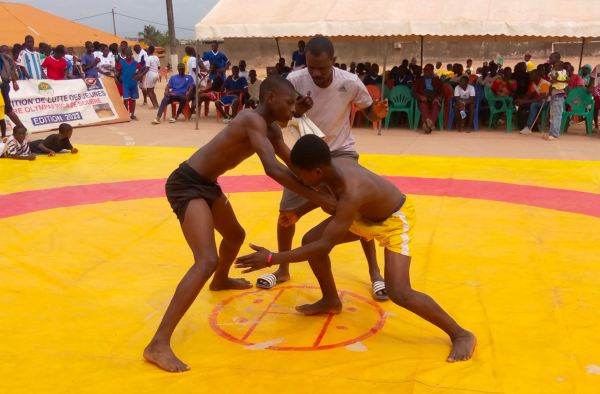
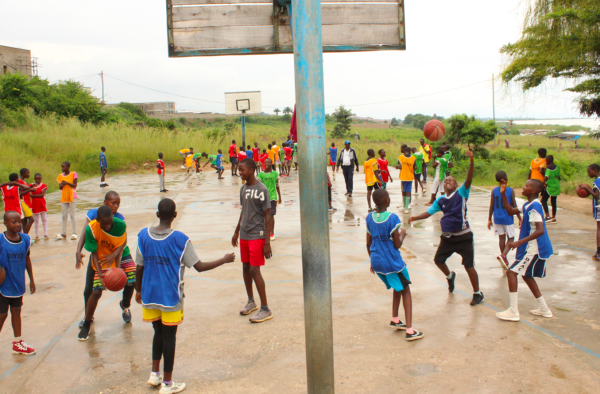
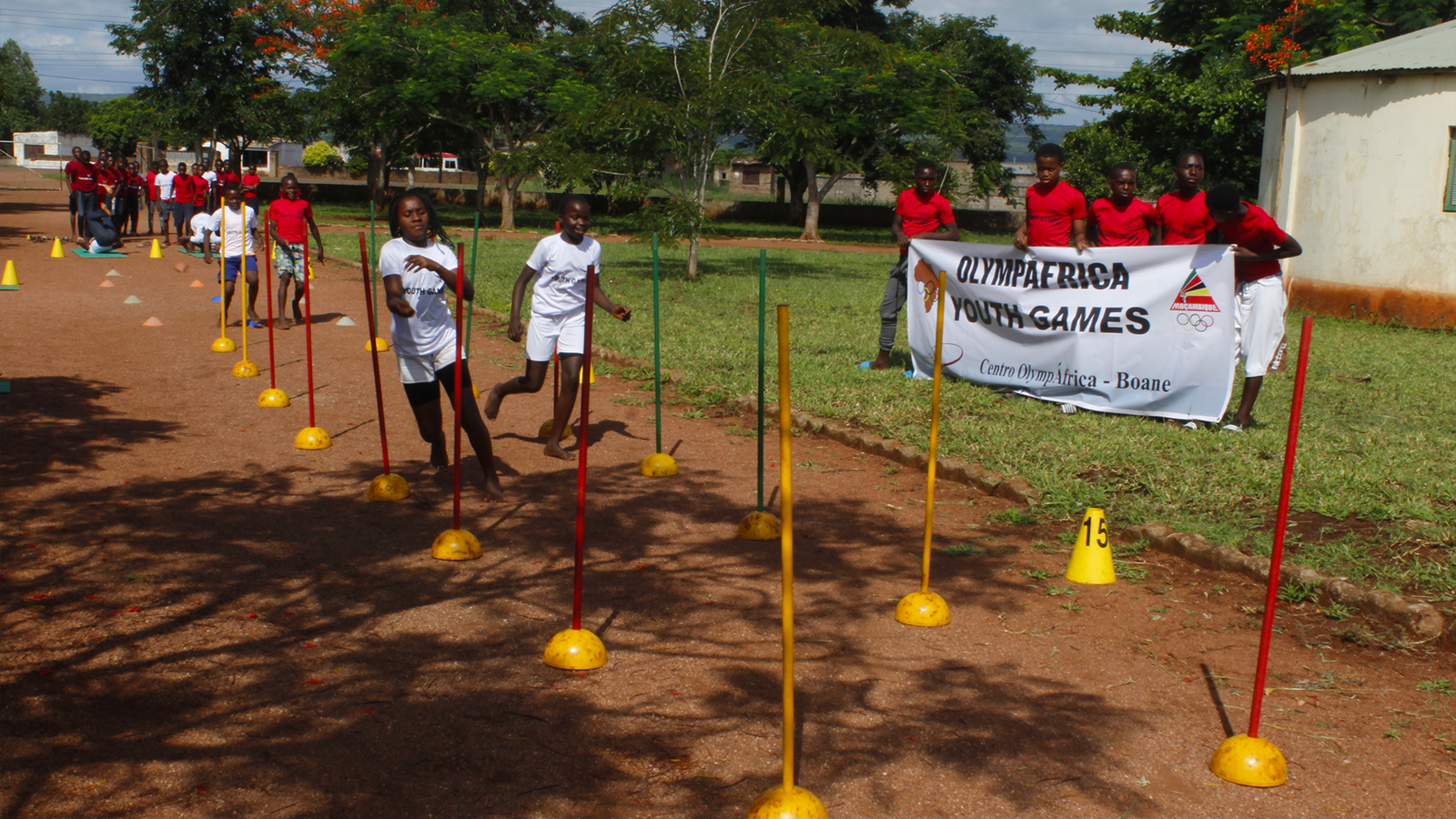
1. Athletics; 2. Soccer; 3. Handball; 4. Struggle; 5. Sitting Volleyball; 6. BasketBall, HandiBasket 7. Teqball
I.2 Cultural and/or socio-educational disciplines
The activities are designed to promote the cultural heritage of the participating countries and will take place in the evenings in the form of cultural gatherings, where distinguished guests and/or guest stars—including famous figures from the worlds of sports and music, as well as high-ranking officials—will deliver educational messages to young people.
The Center will organize the following activities alongside the sports events: 1. Theater: in the form of themed skits (addressing local issues faced by children and young people); 2. Folk songs and dances; 3. Poetry recital; 4. Creative activities: Exhibition of art objects, paintings, photo or video reports on the cultural heritage of their country, etc.; 5. Mini clinic (setting up a small space where a psychologist and/or social worker can conduct therapeutic discussion sessions with the children); 6. Reflection activity (hold a 30- to 45-minute discussion with the children at the beginning of each session (group time) on pedophilia and child molestation, environmental protection, values of community life, addiction to phones, social media, and new technologies, entrepreneurial spirit, and any other necessary topics)
Community service days focused on reforestation or cleaning up the town center or public spaces will be organized to raise awareness among young people about environmental protection (the harm caused by plastic waste, the importance of sanitation and proper use of storm drains, respect for public property, the importance of green spaces, etc.).
II. ACTIVITY SCHEDULE
The program will be spread over a two-month period, with two days of competition per week, taking into account: – the school calendars in the selected countries often vary across Africa depending on geographic region; – the schedule established for other activities of the “Olympafrica Network.”
III. SELECTED PARTICIPATING COUNTRIES
The selected Centers will organize their own local competitions. Taking local conditions into account, each country is free to develop its own competition schedule, which must span at least two months. This flexibility in scheduling helps bring more vitality to the Center.
IV. AGE GROUPS – NUMBER OF PARTICIPANTS – COMPETITION SCHEDULE
IV. 1 AGE GROUPS
The games are open exclusively to boys and girls aged 12 to 15.
They will be selected by discipline from among the performance groups.
IV.2 TARGET NUMBER OF PARTICIPANTS
The target minimum number of participants is two thousand (2,000) young people across all disciplines.
V. ALLOCATED BUDGETS AND FUNDING
The allocated budget of USD 3,000 will be used to cover expenses related to the organization of the events. Funding is fully guaranteed by ANOCA/OLYMPAFRICA; therefore, no exceptions will be made regarding the strict application of the practical guidelines (see attached document). A detailed report must be submitted to the IOC and ANOCA regarding the use of the allocated funds.